tea.glass · sampling channel Stock tea for your shop · Encyclopedia · School · Atlas · Pu-erh EN · RU · · · FR · ES · AR
tea.glass

home · catalog

Teteras de vidrio

Contempla cómo se despliega tu té en la claridad del soplado a mano

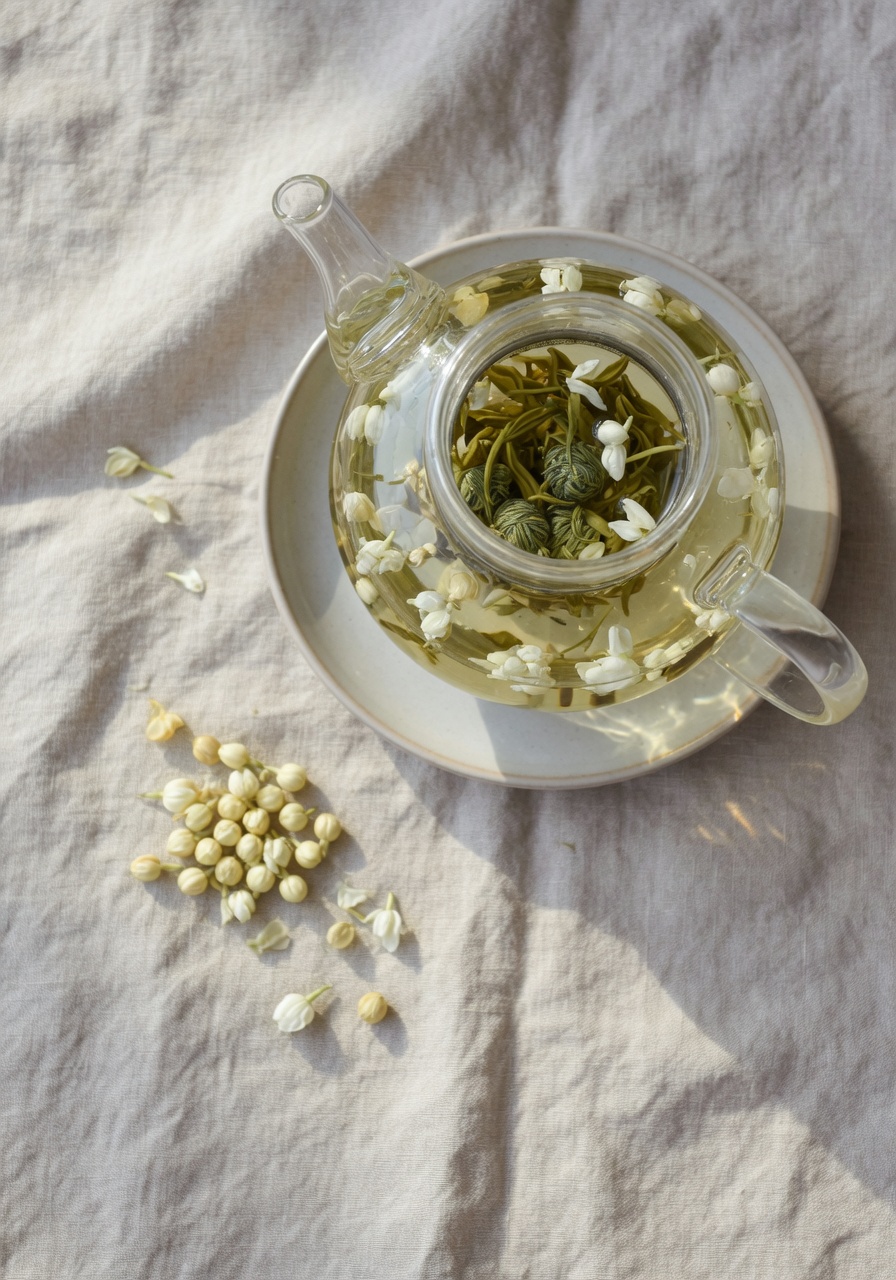
Una tetera de vidrio convierte la preparación en una actuación silenciosa. Sopladas a mano en borosilicato, cada una de las teteras de esta colección está diseñada para revelar el movimiento de cada hoja — ideales para tés verdes y blancos, donde el momento visual es tan importante como el sabor. Un filtro de vidrio integrado mantiene las hojas enteras en la tetera, no en tu taza.

Por qué el vidrio cambia tu forma de catar el té

Una tetera de vidrio no es meramente un recipiente transparente — desvía tu atención. Cuando puedes ver cómo se abren las hojas, el licor se oscurece y el vapor se enrosca, preparas con los ojos tanto como con el paladar. Esta categoría reúne teteras de borosilicato soplado a mano, creadas en un pequeño taller del sur de China, donde el soplador de vidrio Gao Liuzhou ha dedicado décadas a perfeccionar una forma que equilibra la resistencia térmica con una forma pura y sin adornos. Se elige el vidrio de borosilicato por su capacidad para soportar cambios bruscos de temperatura sin agrietarse, lo que hace seguro verter agua a 95 °C directamente en la tetera. El filtro de vidrio integrado, fundido en el pico, significa que nunca necesitas una cesta metálica — nada interfiere con el sabor limpio del té ni con la vista de las hojas. Estas teteras están diseñadas principalmente para tés verdes frescos como Lóngjǐng o Bì Luó Chūn y tés blancos de marchitamiento delicado como Bái Háo Yín Zhēn. Su cuerpo ligero y la ausencia de un esmalte pesado permiten que los aromas propios del té brillen, mientras que la transparencia fomenta un ritmo de preparación más lento y atento. Muchos bebedores serios descubren que, tras pasarse al vidrio, notan detalles en la calidad de las hojas que antes pasaban por alto. Para profundizar en la técnica de infusión visual, nuestros amigos de tea.school ofrecen un breve curso sobre esta práctica — aprenderás temperaturas del agua, tiempos de remojo y cómo leer la danza de las hojas.

Tres tamaños para la forma en que preparas hoy

Ya sea que prepares una sola taza al amanecer o una tetera para compartir, cada una de estas teteras de borosilicato viene con la misma precisión soplada a mano y el filtro integrado. Elige el volumen que se adapte a tu mesa.

A buyer's note

Choosing and using your glass teapot

Elige el volumen adecuado

The 300ml pot suits solo sessions with a 2–3g dose; 450ml works for two people; 600ml comfortably serves three to four. Remember that whole leaves need space to expand, so a smaller pot with more water often outperforms a crowded larger one.

La temperatura del agua importa

While borosilicate handles near-boiling water, the teas best showcased in glass — greens and whites — typically call for 75–85°C. Use the clarity to watch the leaves and get to know the ideal moment to pour.

Limpia con cuidado y con frecuencia

Tea oils can cling to glass over time. Rinse with warm water and a soft cloth immediately after each session. Avoid abrasive sponges; a mild citric acid soak removes stubborn stains without scratching.

Usa el filtro con intención

The integrated glass strainer is designed for large, unbroken leaves. If you prefer finely broken teas, a secondary fine sieve in your serving pitcher can prevent particles from escaping — though the strainer alone catches most whole-leaf material.

Guarda con cuidado

When not in use, keep the teapot in a dust-free cabinet away from strong scents. Glass easily absorbs odours from spices or coffee, which can mute the delicate aromas of green and white teas.

Empieza con tés que luzcan bien

Choose teas that show well: hand-rolled *Bì Luó Chūn* with its spiralling downy tips; *Lóngjǐng* with its flat, jade spears; or a Silver Needle white tea whose fine hairs cloud the water before settling. The pot becomes part of the tasting experience.

Common questions

Asked, answered.

Can I put this teapot directly on a stovetop?

No — these teapots are designed for hot water infusion only, not direct heat. Pour boiling or near-boiling water straight in; do not place the pot on a burner or open flame.

Is the glass lead-free?

Yes, the borosilicate glass is lead-free and cadmium-free. It meets food-safety standards for daily use with hot liquids.

How do I clean the integrated strainer?

Rinse with warm water upside down to flush out leaves. For deeper cleaning, fill the pot with warm water and a drop of mild detergent, swish, and rinse thoroughly. Never use metal brushes.

Will the glass crack if I pour boiling water in cold weather?

Borosilicate has excellent thermal shock resistance. It’s safe to pour near-boiling water into a room-temperature pot, but avoid extreme temperature swings such as moving it straight from a cold windowsill to a scalding rinse.

What teas should I not brew in a glass teapot?

Heavily roasted oolongs or aged pu-erh can leave a lasting film that dulls the glass. For those teas, we’d recommend traditional clay or porcelain from tea.equipment. Stick to greens, whites, and light yellows for the best visual and taste results.

Does the teapot come with a warranty?

Each teapot is inspected before shipping. While glass breakage from misuse is not covered, manufacturing defects are — contact us within 14 days if you spot a flaw.

How many grams of tea fit in the 450ml pot?

We recommend 3–5g for the 450ml size depending on the tea’s density. Since you can watch the leaves open, you’ll quickly learn the dose that fills the pot without overcrowding.