tea.glass · sampling channel Encyclopedia · School · Atlas · Pu-erh · Equipment EN · RU · · · FR · ES · AR
tea.glass Cart (0)

home · catalog

غايوانات زجاجية

الـgài wǎn — مرآة الغونغ فو الأكثر صفاءً

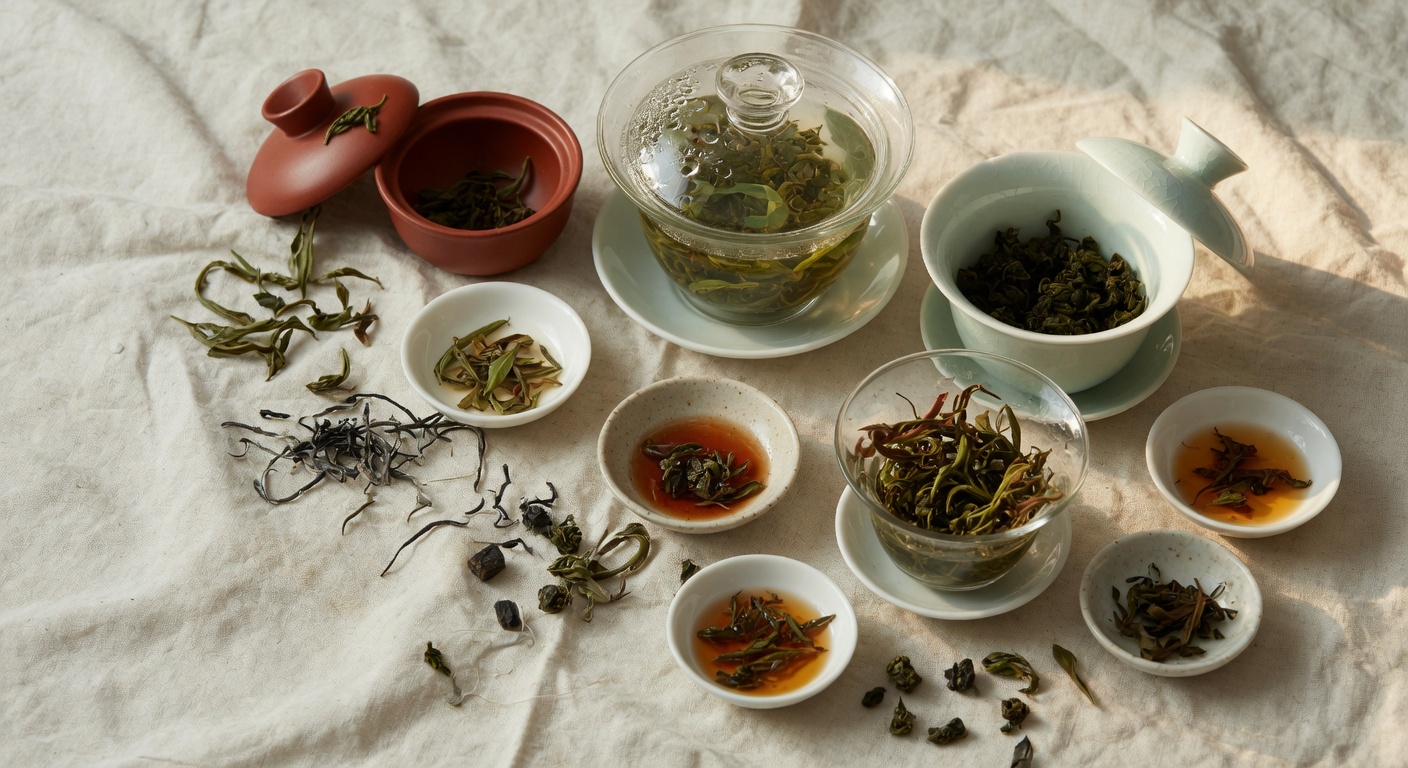
وعاء التخمير بغطاء هو أصدق أوعية التخمير على الإطلاق. عند صنعه من الزجاج، يصبح شيئًا أكثر — نافذة صغيرة على الورقة والماء والزمن. شاهد *Mí Lán Xiāng* (蜜兰香) وهي تتفتح لتفهم لماذا تجاوز هذا الشكل السلالات الحاكمة.

غايوانات زجاجية

لماذا يغير الزجاج الغايوان

دخل الـgài wǎn (盖碗) ثقافة الشاي الصينية خلال عهد أسرة مينغ، عندما حلّ تخمير الأوراق السائبة محل الأشكال المسحوقة والمضغوطة. تركيبته تبدو بسيطة — وعاء (碗)، وغطاء (盖)، وصحن (托) — إناء ثلاثي الأجزاء يسمح ليد واحدة بالسكب والترشيح والتقديم. ولأربعمائة عام صُنع من الخزف الصيني. أما الزجاج فهو ترجمة حديثة، ومفيدة.

الخزف يخفي الورقة. الزجاج يكشفها. بالنسبة للشاي الذي يعتمد على المظهر — إبرة الفضة، ولآلئ الياسمين، وأشكال gōng yì (工艺) المتفتحة، ودانتسونغ (dāncōng) المؤكسد قليلاً — فإن التحول داخل الكوب هو نصف التجربة. ترى اللون يتطور في الوقت الحقيقي: الليموني الباهت عند ثلاثين ثانية، والكهرماني الأعمق عند النقعة الثانية، وهبوط السيقان البطيء وتصاعد الشعيرات الدقيقة بشكل حلزوني وهي تلتقط الضوء.

والزجاج يجعل الغايوان صادقًا أيضًا بشأن الجودة. إبرة الفضة المضغوطة جيدًا تقف كالقصب في بركة. أما المتعبة فتنهار. الـBì Luó Chūn (碧螺春) الحقيقية تغرق خلال ثوانٍ، حيث تسبب زغبها الناعم غشاوة في الماء قبل أن يستقر. لا مكان لورقة معيبة للاختباء.

الزجاج الذي نوفره هو زجاج بوروسيليكات — نفس نوع الزجاج المستخدم في الأدوات المخبرية ودوارق هاريو الأصلية منذ عام 1948. إنه يقاوم الصدمة الحرارية عند فروق تصل إلى 150°م، مما يعني أن الماء المغلي في صباح شتوي بارد لن يكسره. الجدران أرق من الخزف، حوالي 2.0–2.4 مم، مما يعني أن الحافة تبرد أسرع بين عمليات السكب — أكثر لطفًا على الأصابع، وأكثر استجابة للمخمّر.

السعات في هذه الفئة تتراوح بين 80 مل و180 مل، والنقطة المثالية تتراوح بين 100–130 مل لجلسات الغونغ فو الفردية، وبين 150–180 مل للطاولات المزدوجة. الأوعية الأصغر تركز الرائحة فوق الورقة؛ والأكبر تعطي pǔ ěr الحجم الذي تحتاجه للتفتح. اقرأ شرح حجم الوعاء الكامل في دليل التخمير البصري، أو جرب التمارين الحسية في tea.degree. ولتاريخ أعمق، يتتبع مقال الموسوعة عن الغايوانات في thetea.app الشكل من مقاهي سيتشوان إلى طاولات تشاوتشو.

غايوانات هذا الموسم الزجاجية

وعاءان قضينا العام برفقتهما — أحدهما شفاف وعملي من هيبي، والآخر قطعة دراسية مخددة من قوانغشي.

Automated translation — native review pending.

A buyer's note

Choosing a glass gaiwan

السعة تتبع الشاي، لا حجم الطاولة

100–120ml for *dāncōng* and green teas. 130–150ml for white tea and lighter oolong. 150–180ml only if you brew *pǔ ěr* or shared sessions.

انظر إلى مقر الغطاء

A good gaiwan has a slightly recessed inner rim so the lid sits flush at any angle. Tilt the lid 5° — water should pour clean without dribbling down the wall.

بوروسيليكات، وليس زجاج الصودا والجير

Borosilicate handles boiling water poured into a cool vessel without stress fracture. Soda-lime gaiwans crack within months. Check the spec sheet, not the price.

سماكة الجدار مهمة لأصابعك

2.0–2.4mm is the working range. Thinner burns your fingers at the rim. Thicker loses the responsive feel that makes a gaiwan worth using over a teapot.

بصحن أو بدون صحن

A saucer (托) lets you carry the vessel to a guest without touching the hot bowl. For solo brewing at your own table, many drinkers skip it. We sell both configurations.

نظّف بالماء فقط

Glass needs no seasoning and rejects detergent residue. Rinse with the kettle's last pour after each session. Limescale comes off with a weak vinegar soak once a month.

Common questions

Asked, answered.

Won't a glass gaiwan burn my fingers?

Not if the lid seat is correct. The rim stays cooler than the body — pinch lid and rim together, never the side wall. Most beginners overfill; 80% capacity is the rule.

Can I use glass for *pǔ ěr*?

Yes, especially young *shēng*. Glass shows the orange-gold of a good 2019 *bǐng* beautifully. For aged shou, many drinkers prefer clay — see [shop.puerh.app](https://shop.puerh.app) for vessel pairings.

Does glass affect the taste compared to porcelain?

Negligibly. Borosilicate is chemically inert and adds no minerals. The only sensory difference is heat retention — glass cools slightly faster, which suits delicate greens and whites.

What size should my first gaiwan be?

110ml is the universal starting point. It works for every tea family, dose is intuitive at 5g, and the lid is small enough to handle without practice.

Are these dishwasher safe?

Technically yes for borosilicate, but we recommend hand-rinsing with kettle water only. Dishwasher detergent leaves film that dulls aroma.

How do I learn proper gaiwan technique?

Watch a real session before reading instructions. [tea.school](https://tea.school) runs a two-hour gongfu fundamentals course, and [tea.events](https://tea.events) lists in-person workshops in twelve cities.

What if it cracks?

Borosilicate failures within the first year are almost always a manufacturing flaw, not user error. We replace any vessel that cracks in normal brewing — write to us with a photograph.