tea.glass · sampling channel Encyclopedia · School · Atlas · Pu-erh · Equipment EN · RU · · · FR · ES · AR
tea.glass Cart (0)

home · catalog

أواني زجاجية — أباريق العدالة

الإناء الذي يُساوي كل صبّة

كأس *gōng dào bēi* (公道杯) تجلس بين إبريق الشاي والأكواب — تستقبل النقيع بالكامل، وتخلط الأجزاء القوية والضعيفة، ثم توزع صبًا متساويًا على كل مشرب. في الزجاج، تصبح أيضًا نافذة إلى لون النقيع، القراءة الأكثر صدقًا التي ستحصل عليها لشخصية الشاي.

أواني زجاجية — أباريق العدالة

لماذا وُجِد كأس العدالة

إبريق العدالة — gōng dào bēi (公道杯)، وتعني حرفياً ‘كأس الطريق المتساوي’ — كان إضافة متأخرة إلى مائدة تحضير الغونغفو. خلال معظم فترتي مينغ وتشينغ، كان الشاي يُصب مباشرة من الإبريق إلى الأكواب بحركة قوسية دوّارة، حيث كان المحضّر يوازن القوة بالعين. وصلت القنينة المخصصة مع نهضة الغونغفو التايوانية في سبعينيات وثمانينيات القرن العشرين، عندما أُضفيت الرسمية على الخدمة حول أباريق الطين الصغيرة والنقيع المتعدد القصير. مع أوقات استخلاص تقاس بالثواني، حتى فرق نصف ثانية بين أول وآخر كوب يُحدث تفاوتاً ملحوظاً. يحلّ إبريق العدالة هذا في خطوة واحدة: يُفرّغ النقيع بأكمله دفعة واحدة، مخلوطاً باضطرابه الذاتي، ثم يوزع.

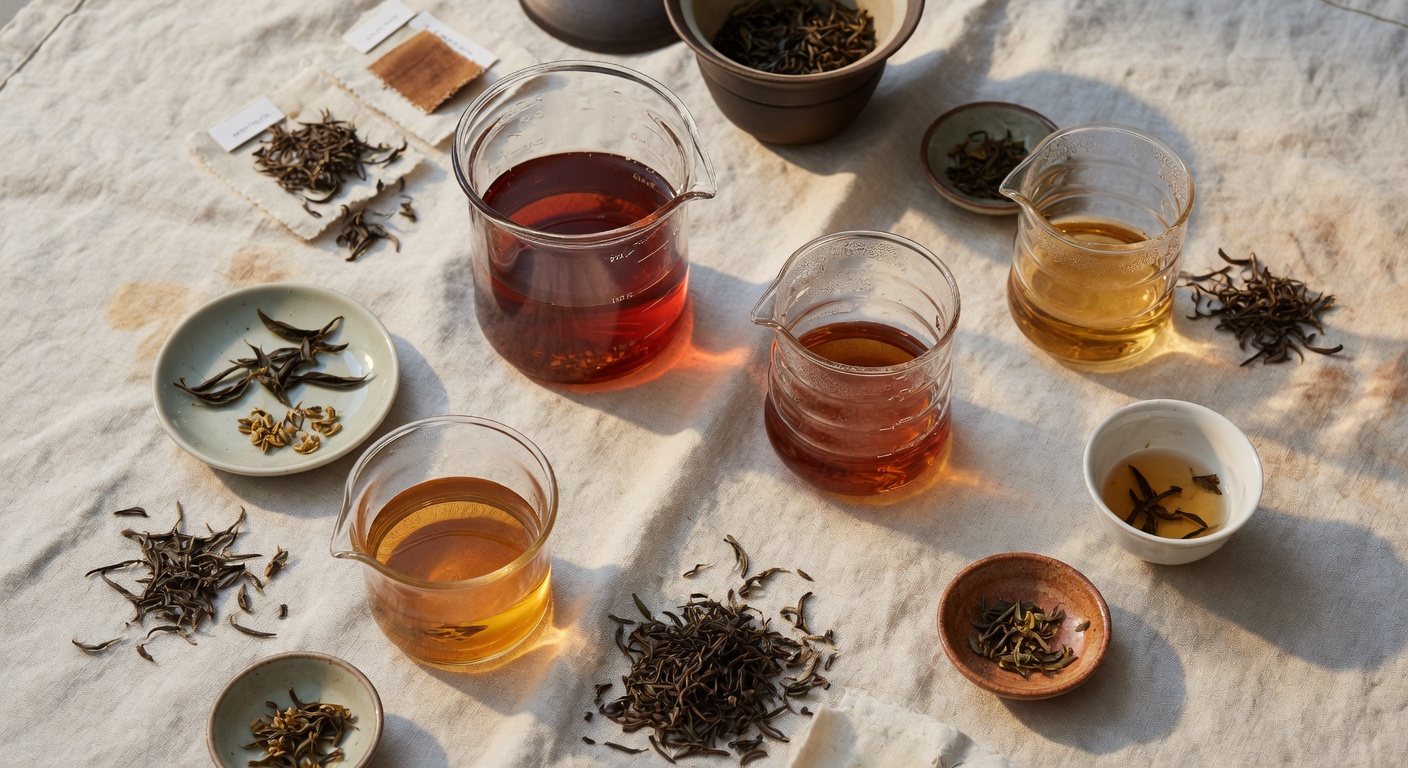
غيّر الزجاج هذا الأداة مرة أخرى. إبريق البورسلين أو الطين يُخفي النقيع؛ بينما يكشفه إبريق زجاج البوروسيليكات. وفجأة، أصبح gōng dào bēi أيضاً أداة للقراءة — تشاهد اللون يزداد عمقاً خلال النقيعات المتعاقبة، ترى الشعيرات المعلقة في yín zhēn، تلمح اللون البرتقالي المحمرّ لـMí Lán Xiāng (蜜兰香) المحمصة جيداً قبل أن تصل إلى الكوب. بالنسبة لمن يهتمون بالجوانب البصرية، هذا مهمّ بقدر وظيفة التوازن.

تتشارك أباريق العدالة الزجاجية الجيدة بضع خصائص. يجب أن تقطع الفوهة الصبّ بشكل نظيف، دون أن ينزل أي قطرة أسفل الشفة — وهذا يتعلق بشكل أساسي بزاوية السطح السفلي للفوهة، المصقول ليصبح حاداً بدلاً من أن يكون مُدوّراً. المقبض، إن وجد، ينبغي ألا ينقل الحرارة؛ معظم التصاميم الحديثة تستخدم إما أذناً جانبية من البوروسيليكات البارد أو مقبضاً مُلفاً من الخيزران (روطان). يجب أن تتوافق السعة مع إبريق الشاي — إبريق سعة 150 مل يحتاج إلى إبريق عدالة بسعة 200-250 مل، لإتاحة مجال لحلقة الرغوة وقليل من الفراغ العلوي. أي شيء أكبر يبرّد النقيع بسرعة كبيرة قبل وصوله إلى الأكواب.

زجاج بوروسيليكات 3.3 هو المعيار. يتحمّل الصدمة الحرارية عند صب الماء المغلي في إناء بدرجة حرارة الغرفة، ولا يُصبح غائماً أو متشققاً على مدى سنوات من الاستخدام اليومي. الكريستال الرصاصي يبدو جميلاً لكنه يرشح الرصاص؛ أما زجاج الصودا-ليم فهو هش. لمعرفة هندسة التخمير، انظر مدخل gōng dào bēi على thetea.app، الذي يتتبع نسب هذا الإناء في القرن العشرين بتفصيل أكبر.

أباريق العدالة لهذا الموسم

قطعة واحدة، منفوخة يدوياً في استوديو صغير في Hebei، بمقاس يناسب صيغة الغونغفو الأكثر شيوعاً — إبريق سعة 150 مل يقدم أربعة أكواب.

Automated translation — native review pending.

A buyer's note

Choosing a fairness pitcher

طابق السعة مع إبريقك

Pick a pitcher 25-50% larger than your teapot. A 150ml pot pairs with 200-250ml; a 200ml pot wants 280-350ml. Too large and the liquor cools mid-pour.

اختبر الفوهة جافة

Fill with water and pour slowly, then cut off sharply. A good spout stops cleanly with no drip running back along the underside. This is the single most important test.

زجاج بوروسيليكات 3.3، وليس صودا-ليم

Only borosilicate handles boiling water poured into a cool vessel without risk. Check that the seller specifies the grade — reputable studios will state it directly.

بمقبض أو بدون مقبض

Handle-less pitchers are gripped by the cool upper rim and look cleaner on the table. Handled versions are safer for beginners and for long sessions where the rim stays hot.

العناية بين الجلسات

Rinse with hot water only — no soap, which clings to glass and dulls the next infusion. Air-dry inverted on a bamboo rack. Polish occasionally with a soft linen cloth to remove tea film.

ليس من الضروري تخصيص إبريق لكل عائلة شاي

Unlike clay, glass holds no memory of previous teas. A single well-chosen *gōng dào bēi* serves *sheng pu-erh*, dancong, white, and black tea equally — one of glass's quiet advantages.

Common questions

Asked, answered.

Do I really need a fairness pitcher for gongfu brewing?

For sessions longer than two infusions, yes. Without one, the first cup poured will be weaker than the last by a noticeable margin, especially with fast-brewing oolong and pu-erh.

Can I use the same pitcher for green, oolong, and pu-erh?

Yes — glass is inert and holds no flavour memory. This is one reason visual brewers prefer it to porcelain or clay for the decanter, even when their pots are clay.

Why is the rim hot if there is no handle?

The upper 1.5cm of a handle-less *gōng dào bēi* stays cool because the liquor sits below it and glass conducts heat slowly. Grip by the top rim, not the belly.

How do I remove tea staining from inside the glass?

A paste of baking soda and warm water, left for ten minutes, lifts most film. Rinse thoroughly. Avoid scouring pads, which leave permanent micro-scratches.

Is a strainer built into the spout necessary?

Only if you brew without a strainer in the pot itself. Most gongfu brewers use a separate small strainer set on the pitcher mouth, which gives finer control than a built-in version.

What size pitcher pairs with a standard gaiwan?

A 110-120ml gaiwan pairs well with a 180-220ml pitcher. The full gaiwan volume plus leaf displacement and a little headroom comes to roughly 150ml of liquor per infusion.

Can I learn proper decanting technique online?

The gongfu fundamentals course on tea.school covers fairness pitcher handling in module three, including the wrist motion that prevents drips and the pause that settles foam.